 24/7 Emergency Service - We’ll Bee There!
 613-974-2899
 Ottawa & Surrounding Areas


Replacing a furnace in Ottawa comes down to three questions. Can the equipment heat your home on the coldest days? What will it cost to install and run? Do you also need cooling? A heat pump, a gas furnace and a hybrid system answer those questions differently. Here is how they compare, and what to ask before you approve a quote.
A gas furnace may suit a home with usable ductwork and an existing gas connection. A cold-climate heat pump provides heating and cooling, while a compatible hybrid setup pairs a heat pump with a furnace. Each option needs an assessment of your home.
How Each System Heats Your Home
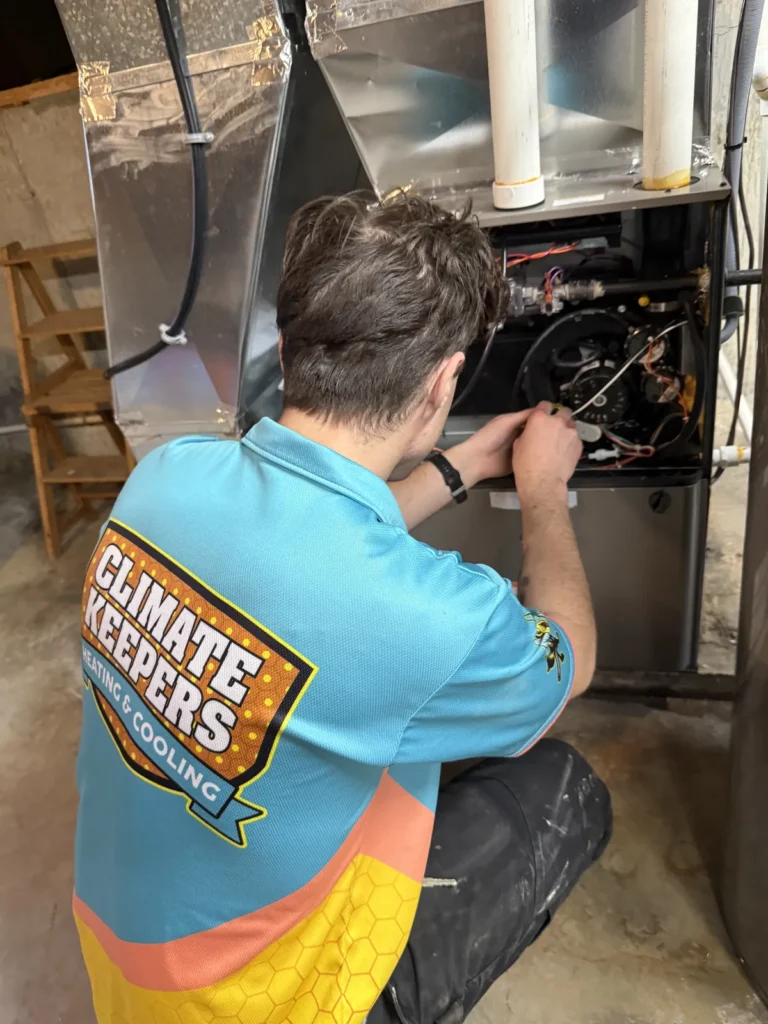
A gas furnace burns fuel to produce heat, then a blower moves warm air through your ducts. It handles heating. Cooling requires separate equipment, such as a central air conditioner.
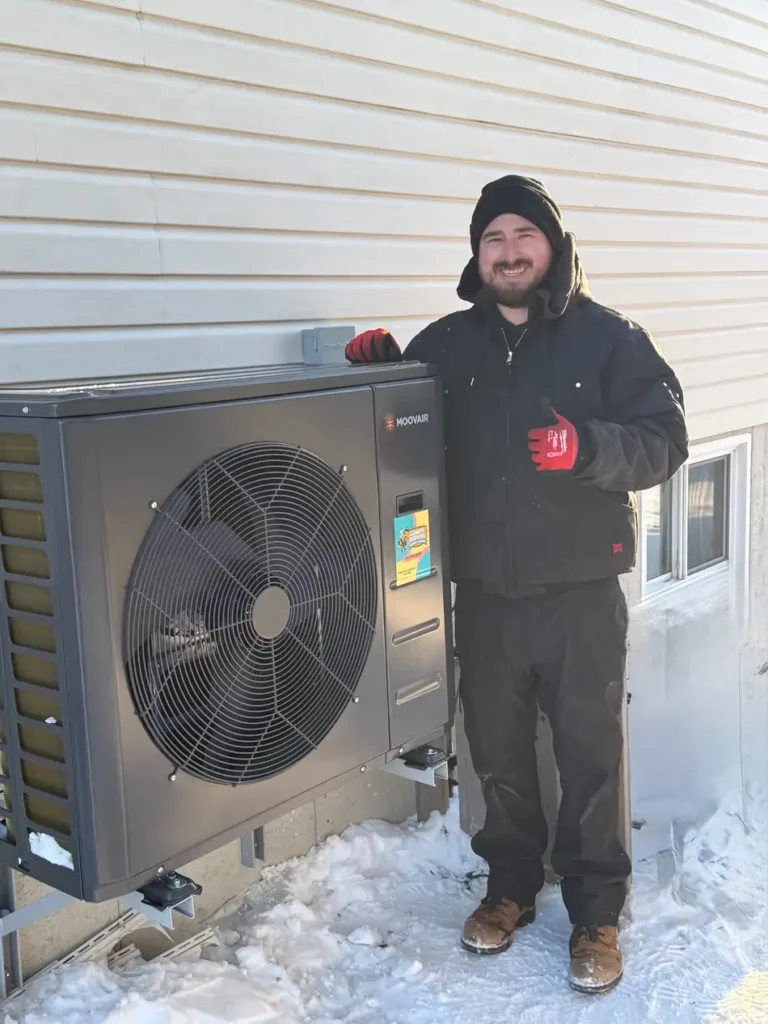
An electric air source heat pump moves heat between your home and the outdoor air. During winter, it brings heat indoors. In summer, it reverses that process to cool your home.
These differences affect what you need to buy and keep.
| Feature | Gas furnace | Cold-climate heat pump | Hybrid |
|---|---|---|---|
| Heating method | Burns natural gas | Transfers heat using electricity | Heat pump plus gas furnace |
| Summer cooling | Requires separate equipment | Provides cooling | Provides cooling |
| Heat distribution | Uses ductwork | Ducted or ductless options | Uses ductwork |
| Winter planning | Size for the home’s heat loss | Match cold weather capacity and backup needs | Size both systems and set the changeover temperature |
| Backup heat | The furnace is the heat source | Depends on your home | The furnace |
| Main running-cost drivers | Gas rate, furnace efficiency and heating demand | Electricity rate, backup use | Both rates, switchover setting |
What Matters During Ottawa Winters
For Ottawa homes, the important question is how much heat the proposed equipment can deliver when temperatures drop. A model’s minimum operating temperature doesn’t tell you if it can heat your entire home at that temperature.
A contractor should compare the unit’s heating output with your home’s heat loss. That calculation considers factors such as insulation, windows, air leakage, and building size. It helps establish the capacity you need.
Mention planned insulation or window upgrades during that assessment. Improvements that reduce heat loss can change the heating requirement. The recommendation should account for the home you expect to have after those improvements.
Cold climate heat pumps are designed for lower outdoor temperatures than conventional models. Your contractor should still explain any need for supplemental heat, based on the selected equipment and your home.
How Your Heating Routine May Change
A heat pump may take longer than a furnace to bring your home back to its set temperature after a large thermostat adjustment. If you normally turn the heat down sharply overnight or while you are away, discuss that routine with your installer. The recommended settings should suit your equipment and backup heating arrangement. Ask for a walkthrough of the thermostat so you understand how to manage everyday comfort.
When a Hybrid System Makes Sense
A dual fuel heat pump system pairs an electric heat pump with a gas furnace. The controls switch between the heat sources based on the system’s design and settings.
Consider this option if your furnace is in good condition but your air conditioner needs replacement. A compatible heat pump can provide cooling and handle part of your heating needs while keeping your furnace available.
Compatibility needs checking before you commit. Your furnace, indoor coil, outdoor unit, thermostat, and airflow must work together. Have your existing furnace assessed before deciding to keep it.
We offer heat pump installation in Ottawa, including hybrid configurations. We assess your heating demands and existing setup before recommending equipment.
Compare Installation and Running Costs
As a general guide, budget $6,000 to $12,000 for a high-efficiency heat pump before rebates, and $4,500 to $7,000 for a standard furnace. Highly efficient furnaces and complex installs cost more. Equipment capacity, indoor and outdoor components, and any ductwork or electrical changes all move the final number.
For purchased cold climate air source heat pumps, eligible Enbridge gas heated homes may receive up to $2,000. Eligible homes heated with electricity, oil, propane or wood may receive up to $7,500. The amount depends on qualifying equipment and capacity. A participating contractor must obtain program approval before installation.
Running costs need a separate comparison. Heat pump efficiency does not automatically mean a lower bill than natural gas. Electricity and gas rates, outdoor temperatures, equipment performance, and backup use all affect the result.
Request an annual operating cost estimate with its assumptions explained. Your electricity use may rise as gas use falls, so review both bills together. A neighbour’s savings cannot establish what your home will save. Rebate amounts and eligibility rules can change, so check the current program terms before you plan your budget around a rebate.
Include Maintenance in Your Comparison
Maintenance belongs in your budget alongside installation and energy costs. Ask what professional servicing each proposed system needs and which tasks you should handle between visits. Filter care and keeping airflow unobstructed help support efficient operation. Follow the equipment manufacturer’s instructions for your system.
For a hybrid setup, include both the furnace and heat pump in that discussion. Confirm which equipment a maintenance agreement covers, how visits are scheduled and which services cost extra. Climate Keepers’ maintenance plans provide a starting point for discussing ongoing care.
Questions to Ask Before You Choose
Before approving a heating upgrade, ask the contractor to explain these parts of the proposal:
- The calculated heating requirement and the equipment capacity selected for your home.
- The exact indoor and outdoor models, including compatibility with equipment you plan to keep.
- Any ductwork or electrical changes included in the price.
- The backup heating arrangement and how the controls will switch between heat sources.
- The installation scope, equipment removal, and warranty terms shown in writing.
- The energy rates and backup heating the estimate assumes, and how it calculated any projected savings.
Ask for estimates that cover the same needs. If your air conditioner also needs replacing, compare a heat pump configuration with the combined cost of a furnace and new cooling equipment. If your AC still works well, factor its remaining life into the comparison.
A lower price may reflect different equipment or exclude necessary work, so resolve those differences before choosing an installer.
FAQ
Compare Heating Options for Your Home
At Climate Keepers Heating & Cooling, we provide heat pump installation and furnace installation and replacement in Ottawa. Our assessment considers your home’s layout, insulation, existing ductwork, and heating needs to help you compare equipment that fits.
Bring your current equipment details and questions about comfort or bills. We’ll review your setup and explain the installation options for your home.